
上海中蓝汇气体有限公司
Shanghai Sinoblue Gas Co.,Ltd.
Customer Hotline:
+86-15867910207
+86-13819917451

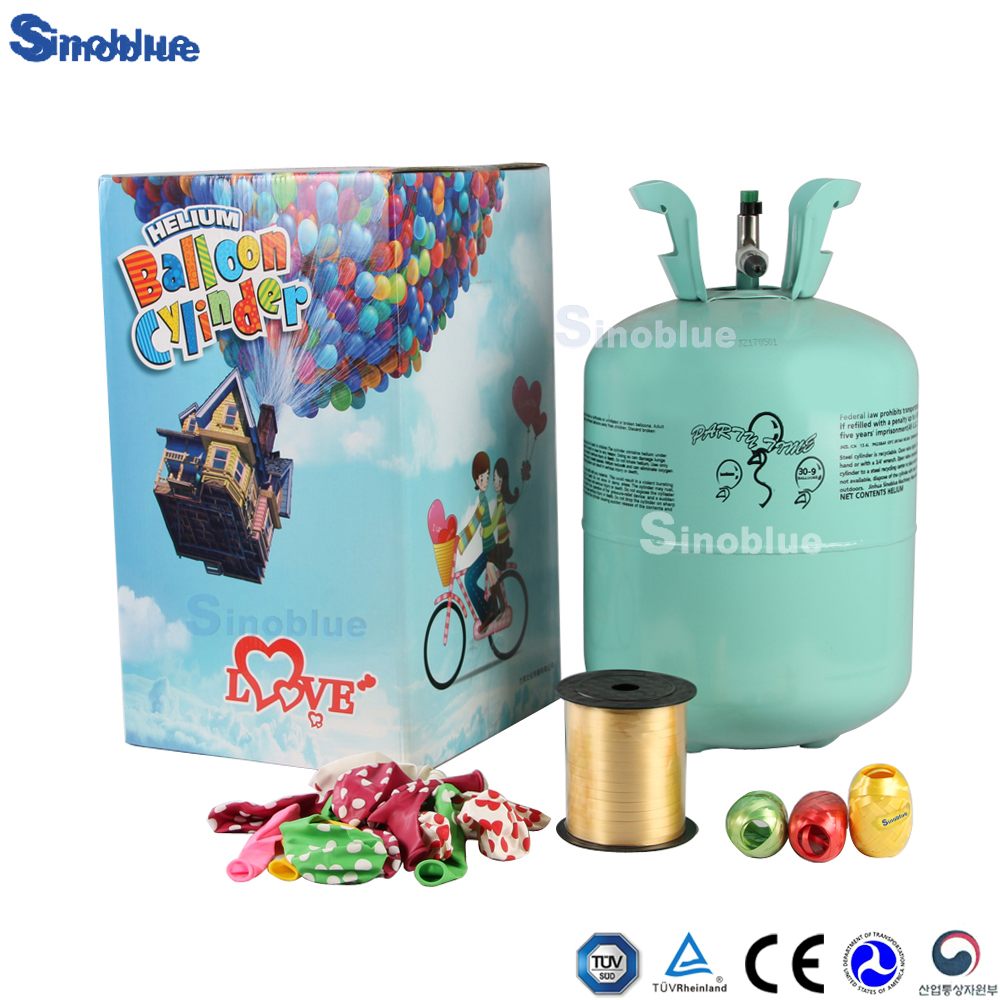
Shanghai Sinoblue Gas Co.,Ltd. mainly provides you with disposable helium cylinders, refrigerant cylinders, helium tanks and other related products.
上海中蓝汇气体有限公司
Shanghai Sinoblue Gas Co.,Ltd.
Customer Hotline:
+86-15867910207
+86-13819917451

Hot Keywords: Low-pressure Helium Tank High-pressure Helium Cylinder Helium Bobo Ball Helium Cylinder Balloon Inflation Helium Tank
Customer Hotline
+86-15867910207Escalating tensions in the Middle East have forced the shutdown of Qatar’s Ras Laffan LNG and helium production facilities, disrupting roughly one-third of global helium supply. Combined with Russia’s export restrictions on helium, the global market has continued to tighten, driving prices sharply higher and placing mounting pressure on key industries including semiconductors, healthcare, and aerospace. Against the backdrop of increasing constraints on traditional supply channels, countries around the world are accelerating the development of alternative helium projects.
Recent instability in the Middle East has led to the suspension of operations at Qatar’s Ras Laffan LNG and helium facilities. As Qatar accounts for approximately one-third of global helium production capacity, the disruption has had an immediate impact on international markets. Industry observers describe the incident as one of the most severe helium supply crises in recent years.
With critical infrastructure reportedly damaged, repairs to affected facilities are expected to take years, making it unlikely for the global helium market to restore its previous supply-demand balance in the near term. At the same time, Russia has announced export controls on helium, further reducing the volume of helium available to the international market.
Under the combined impact of these developments, around 40% of the global commercial helium supply has been affected. Prices have risen rapidly, with some high-purity helium products experiencing significant short-term volatility. Allocation systems and supply restrictions are becoming increasingly common across the market. Downstream sectors including semiconductor manufacturing, MRI medical equipment, aerospace, and scientific research have already begun to experience supply pressure.
As a non-renewable strategic resource, helium is widely used in advanced manufacturing, cryogenics, semiconductor fabrication, aerospace applications, and scientific research, with no mature large-scale substitute currently available.
Global helium production has long been concentrated among a small number of countries, primarily the United States, Qatar, Russia, and Algeria. Qatar’s North Field-related industrial chain has been one of the world’s most important helium supply sources.
Because helium is typically produced as a byproduct of natural gas extraction, its output is closely tied to LNG development infrastructure and cannot be rapidly expanded like conventional industrial products. Industry experts generally believe that new production capacity requires years of development and construction, making it difficult to close current supply gaps in the short term.
For countries heavily dependent on imports, the impact of the current supply crisis has become particularly pronounced. Market analysts note that inventories in some regions are facing increasing pressure as long-term contract volumes continue to be depleted.
As traditional supply systems come under strain, helium exploration and development activities worldwide are accelerating significantly.
Industry data shows that dozens of companies are now pursuing helium exploration projects globally, with some shifting toward a “primary helium” development model — targeting helium as the main resource rather than producing it as a byproduct of natural gas operations.
Companies involved in such projects believe this approach could reduce dependence on LNG industry cycles and provide greater production flexibility during periods of market tightness. Related projects in locations including Minnesota in the United States and Greenland have already entered active development stages.
However, industry participants also caution that most emerging projects remain relatively small in scale, with output far below that of large Middle Eastern helium facilities. As a result, they are unlikely to fundamentally reshape the global supply-demand balance in the near future.
Compared with conventional byproduct helium production, standalone helium projects must bear the full cost of exploration, drilling, processing, and infrastructure construction, resulting in significantly higher development barriers.
In addition, the construction of liquid helium transportation and storage infrastructure typically requires long lead times, further limiting the speed at which new supply can enter the market.
Industry estimates suggest that delivery of new equipment often takes several months, while bringing new production capacity online generally requires more than a year. If liquefaction facilities are involved, project timelines may become even longer.
Due to the logistical limitations associated with transporting high-pressure helium over long distances, the global market may gradually evolve toward a more regionalized and decentralized supply structure, with smaller projects located closer to end-user markets serving local demand in order to reduce transportation risks and logistics costs.
Industry analysts widely believe that the current helium shortage is no longer a temporary supply-demand imbalance, but is increasingly taking on long-term and structural characteristics.
As supply security becomes a growing priority, the global helium industry is shifting from a cost-driven model toward a supply-security-driven model. Against the backdrop of rising demand from semiconductors, advanced healthcare, aerospace, and scientific research, countries are accelerating efforts to develop domestic resources, expand storage and transportation capabilities, and strengthen supply chain resilience.
Going forward, the global helium market may gradually transition away from its historically concentrated supply structure toward a more diversified system supported by multiple regions and supply sources.

Mobile:+86-15867910207 / 13819917451
E-mail:frankzhou@zjsinoblue.com
royzheng@zjsinoblue.com
Scan to add WeChat
Copyright©www.zhonglanhui.com ( Click to Copy )Shanghai Sinoblue Gas Co., Ltd.
How are disposable helium cylinders? Which supplier offers cheap refrigerant cylinders? Where can I buy high-quality helium tanks? Shanghai Zhonglanhui Gas Co., Ltd. mainly supplies disposable helium cylinders, refrigerant cylinders and helium tanks.
Powered by 